
How to Reduce Referral Leakage in Specialty Clinics
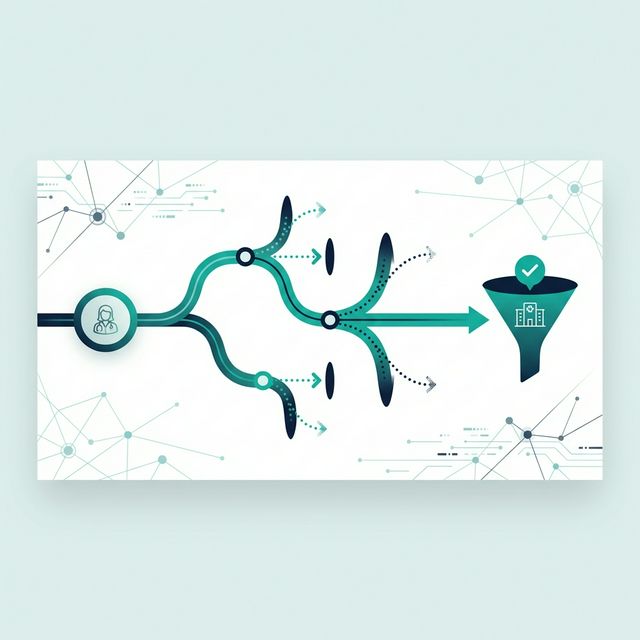
How to Reduce Referral Leakage in Specialty Clinics
Referral leakage — when referred patients never make it to their scheduled appointment — is one of the most expensive problems in specialty care. Studies show that 25–50% of referrals are never completed, representing a massive revenue and care-quality gap.
What Causes Referral Leakage?
- Lost referrals — Faxes that sit in a queue, misfiled attachments, or referrals that arrive via email and never get entered into the system
- Slow follow-up — When days or weeks pass between referral receipt and patient contact, patients find other providers or give up
- Insurance barriers — Unverified eligibility or missing prior authorizations create scheduling friction
- No patient engagement — Patients who aren't proactively contacted or given self-service options are more likely to fall through the cracks
Strategies to Prevent Leakage
1. Centralize Your Referral Intake
A unified inbox that captures referrals from fax, email, portal, and EHR channels ensures nothing falls through the cracks. Every referral gets logged, timestamped, and assigned — automatically.
2. Automate Insurance Verification
Running eligibility checks before the scheduling call eliminates one of the biggest causes of appointment delays and no-shows.
3. Engage Patients Early
Automated SMS or email outreach — within hours, not days — dramatically improves conversion rates. Give patients a portal to complete intake forms before their first call.
4. Track Referral-to-Appointment Conversion
You can't fix what you can't measure. Referral analytics dashboards that show conversion rates by referring provider, insurance type, and specialty help you identify and address leakage points.
How IntakeDesk Helps
IntakeDesk was built specifically to solve referral leakage in specialty clinics. AI-powered intake automation captures every referral, verifies insurance in real-time, engages patients via SMS, and gives you full visibility into your referral pipeline.